
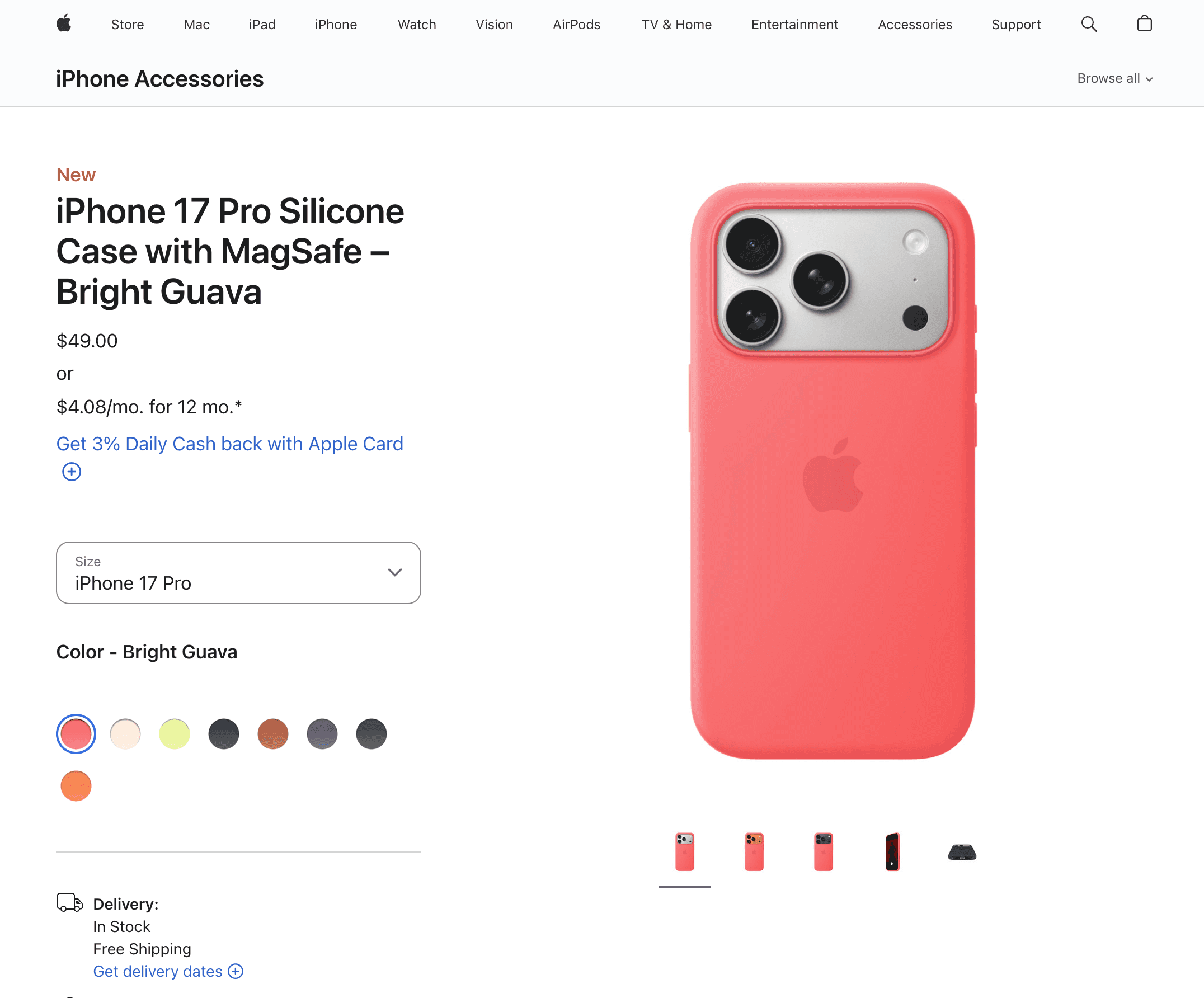
IATA Director General Willie Walsh said it plainly: Apple makes more profit selling an iPhone case than airlines make flying the average passenger.
$7.90. That's net profit per passenger in 2026.
And yet ancillary revenue is about to hit $145B — up 5.5% year over year, nearly 14% of total airline revenue, derived from things that aren't seats.
So where's the gap?
If you spend any time in airline booking flows, the answer becomes uncomfortable fast: the more ambitious the ancillary strategy, the worse the experience often gets.
Upgrades offered at the wrong moment. Bags are repriced session to session. Loyalty perks dangled in front of travelers who logged in two minutes ago but are treated like strangers anyway.
The industry calls this the "offer problem." And it has poured enormous energy into solving it — dynamic bundling, AI-powered merchandising, real-time pricing engines. Airlines are buying sophisticated tools. The investment is real. The intent is serious.
But there's a structural problem nobody is talking about loudly enough:
All of this ancillary innovation is being built on top of identity architectures that reset with every session.
The premise of dynamic ancillary is recognition
You show the right offer to the right traveler at the right moment. That requires knowing who the traveler is — their history, their preferences, whether they always add a bag, whether they're a frequent flyer with actual status or someone who signed up for the program once and forgot.
Airlines largely can't do this unless the traveler is logged in. And most travelers don't log in.
IATA's own data suggests OTAs capture somewhere between 40 and 50 percent of online bookings. That's not a conspiracy. It's a convenience gap. Travelers go to OTAs because booking from scratch on an airline's own site is annoying, account creation is friction, and they don't see the point.
The airline loses the direct booking relationship, loses the data, and loses the ability to personalize anything.
So airlines invest hundreds of millions in ancillary merchandising systems, and then a huge chunk of their traffic either doesn't log in or doesn't exist in their identity graph at all.
The dynamic offer never fires for a stranger.
This isn't a merchandising problem. It's an identity problem.
E-commerce figured this out years ago. If you've ever used Shop Pay on a Shopify store, you know what recognition feels like — you're checked out before you've consciously decided to buy. Your payment method is there. Your address is there. You didn't have to create an account with that specific store.
The identity layer exists underneath, across merchants.
Airlines have never had that.
Every airline is an island. Every booking starts from zero unless you happen to have an account with that specific carrier, happen to remember your login, and happen to be motivated enough to use it.
The loyalty programs were supposed to solve this. But loyalty enrollment and loyalty engagement are different things. Signing up for a program is not the same as having a recognized identity in a booking flow.
$145B is the ceiling, not the floor
The demand is real. Travelers do want upgrades. They do buy bags. They do pay for lounges, priority boarding, and better seats.
But a meaningful portion of that revenue is being left on the table — not because the offers are wrong, but because the traveler doing the booking isn't recognized well enough for the right offer to surface.
Conversion leaks before checkout. That's the actual problem.
The industry has spent a decade improving what happens after the traveler is engaged. The harder, less glamorous work is building the infrastructure that recognizes them when they show up.
That's not a merchandising system. That's an identity layer.
And it's exactly what we're building at Movmo.
Want to see how it works? → Book a demo
If you’re a traveler:
→ Join the waitlist and get early access.
PS: Want to see where this is going? Sign up below and get an early look at how we’re rebuilding airfare booking from the ground up.
You Like Traveling. We Like Talking About It.
Join the newsletter squad. Stories, hacks & updates worth opening.